Walnut Street Bridge
More than a bridge!
There are places in Chattanooga that seem to belong to everyone. The Walnut Street Bridge is one of them.
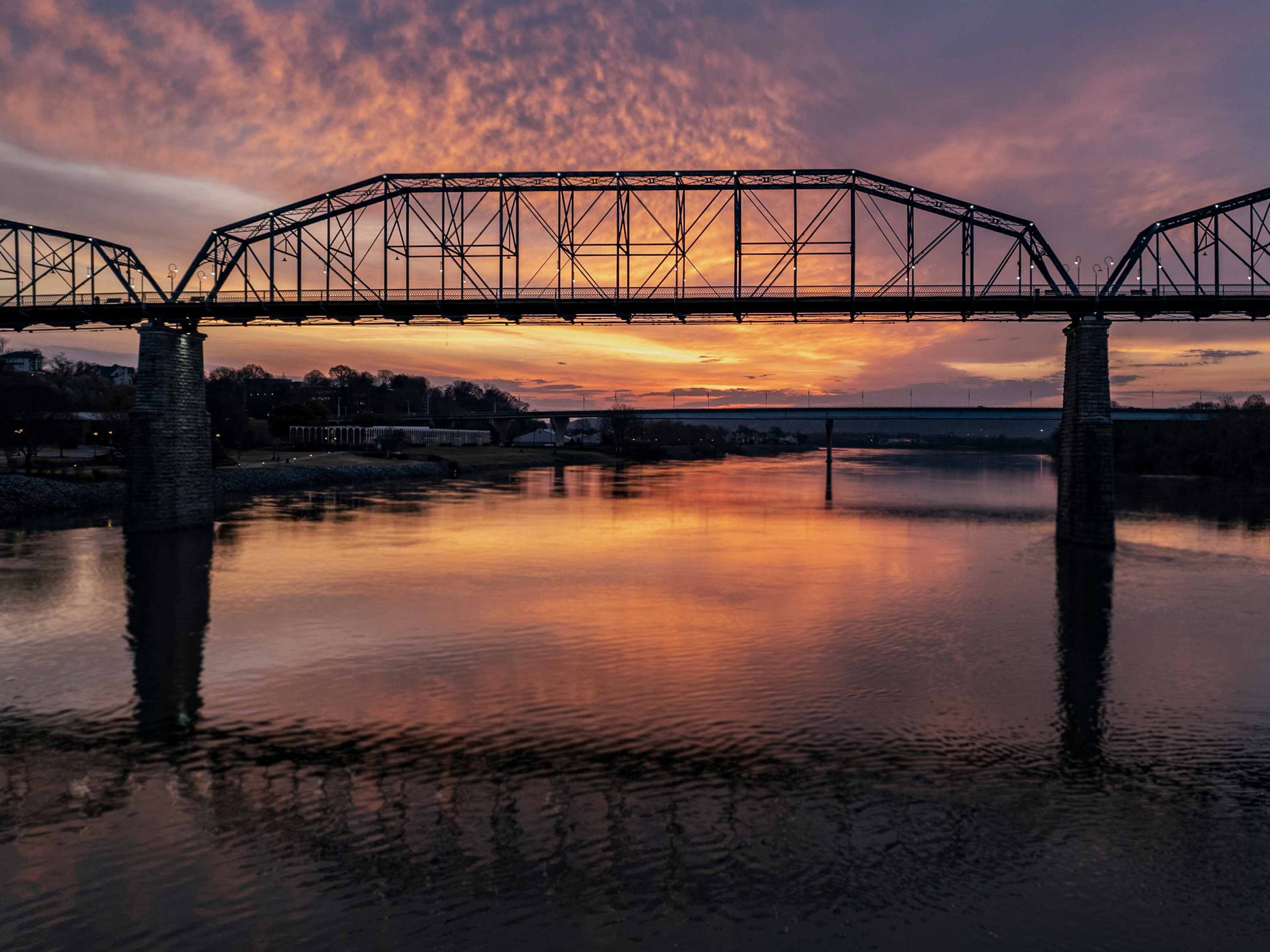
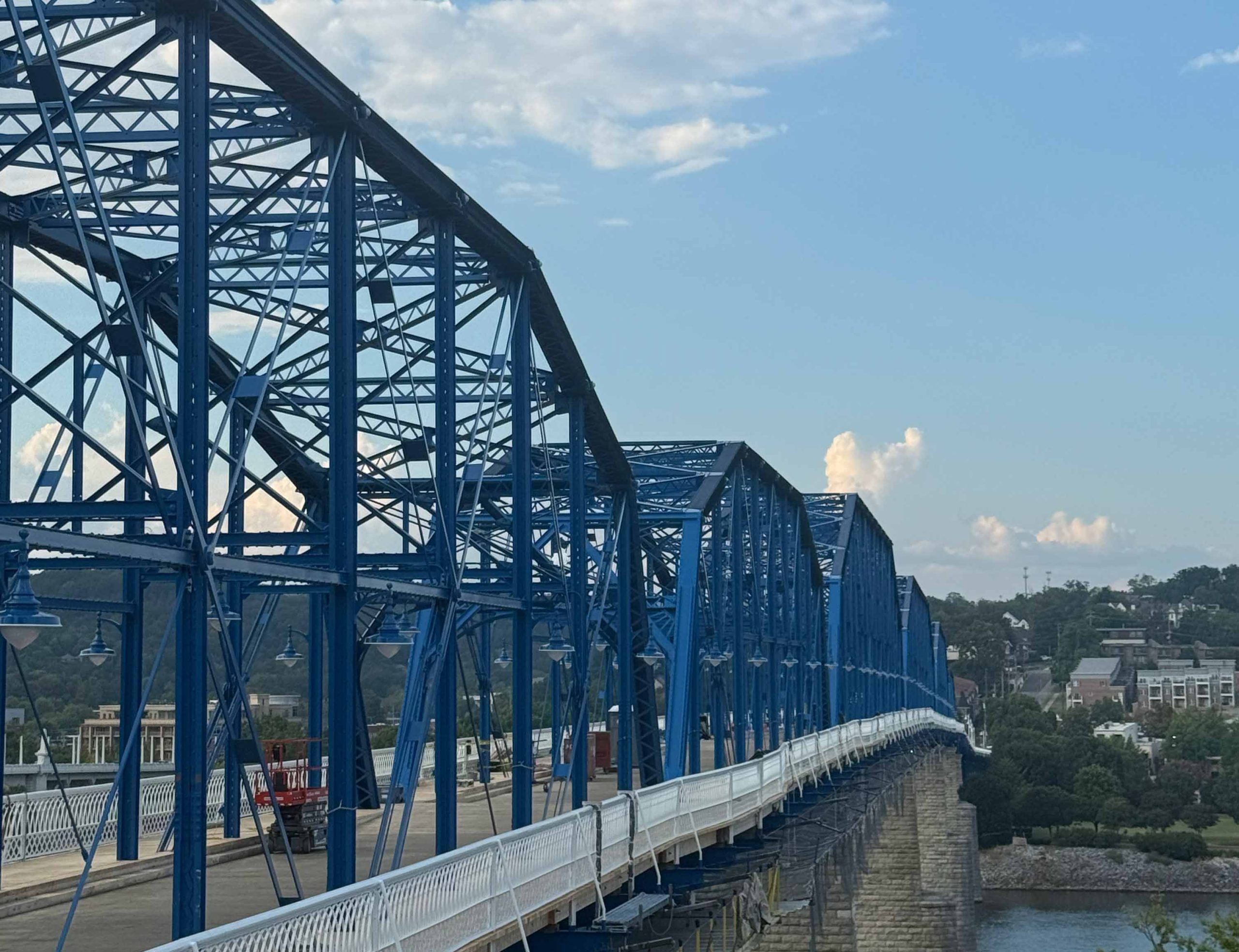
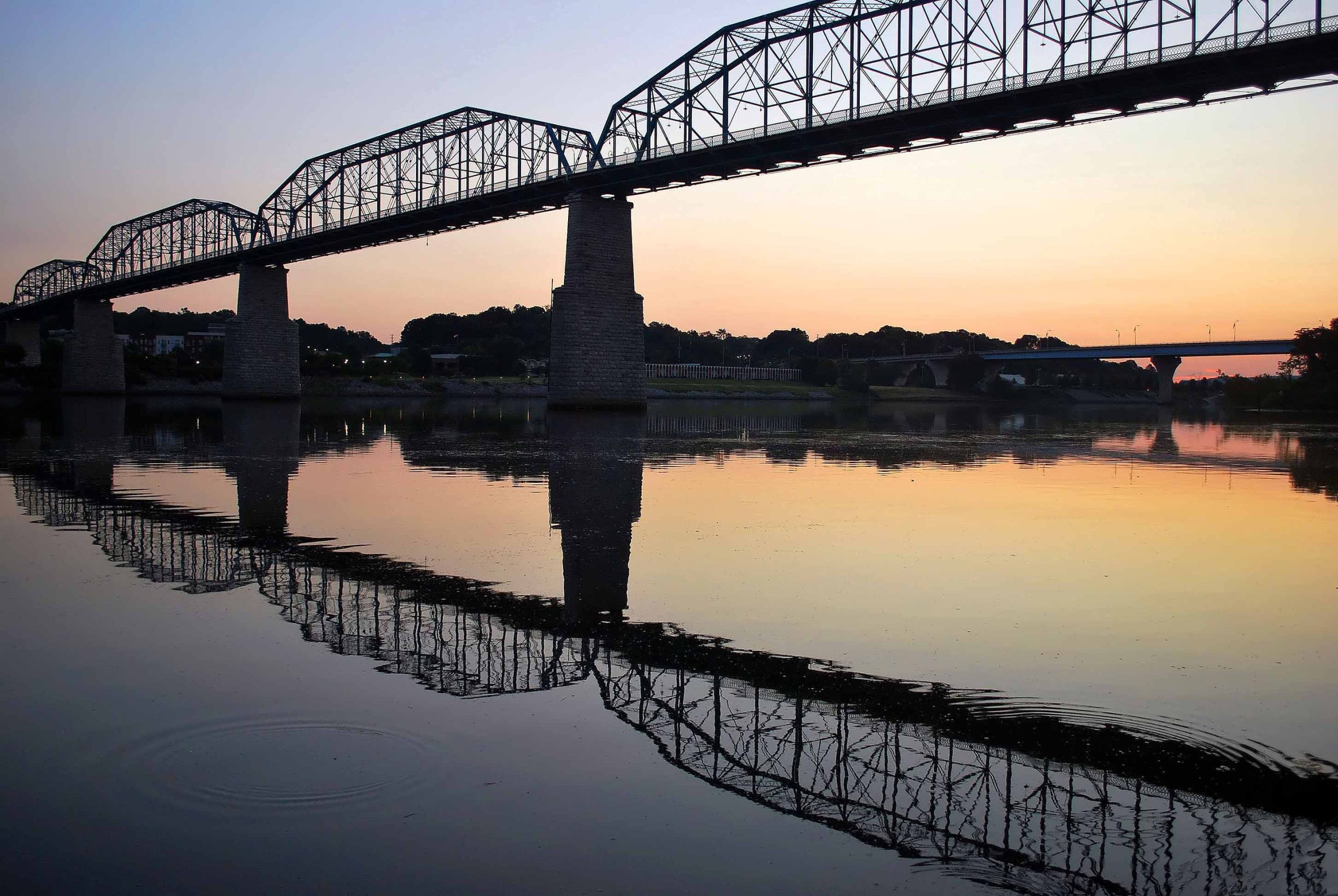
Known affectionately as the “walking bridge,” the nearly half-mile span across the Tennessee River has become far more than a way to get from downtown to the North Shore. It is a place to jog, watch the river, photograph the skyline, meet a friend, enjoy a festival or simply pause and take in the view.
History
With the bridge scheduled to reopen October 3rd 2026 following its latest improvements, it is worth remembering just how much history lies beneath those footsteps.
Function & Purpose
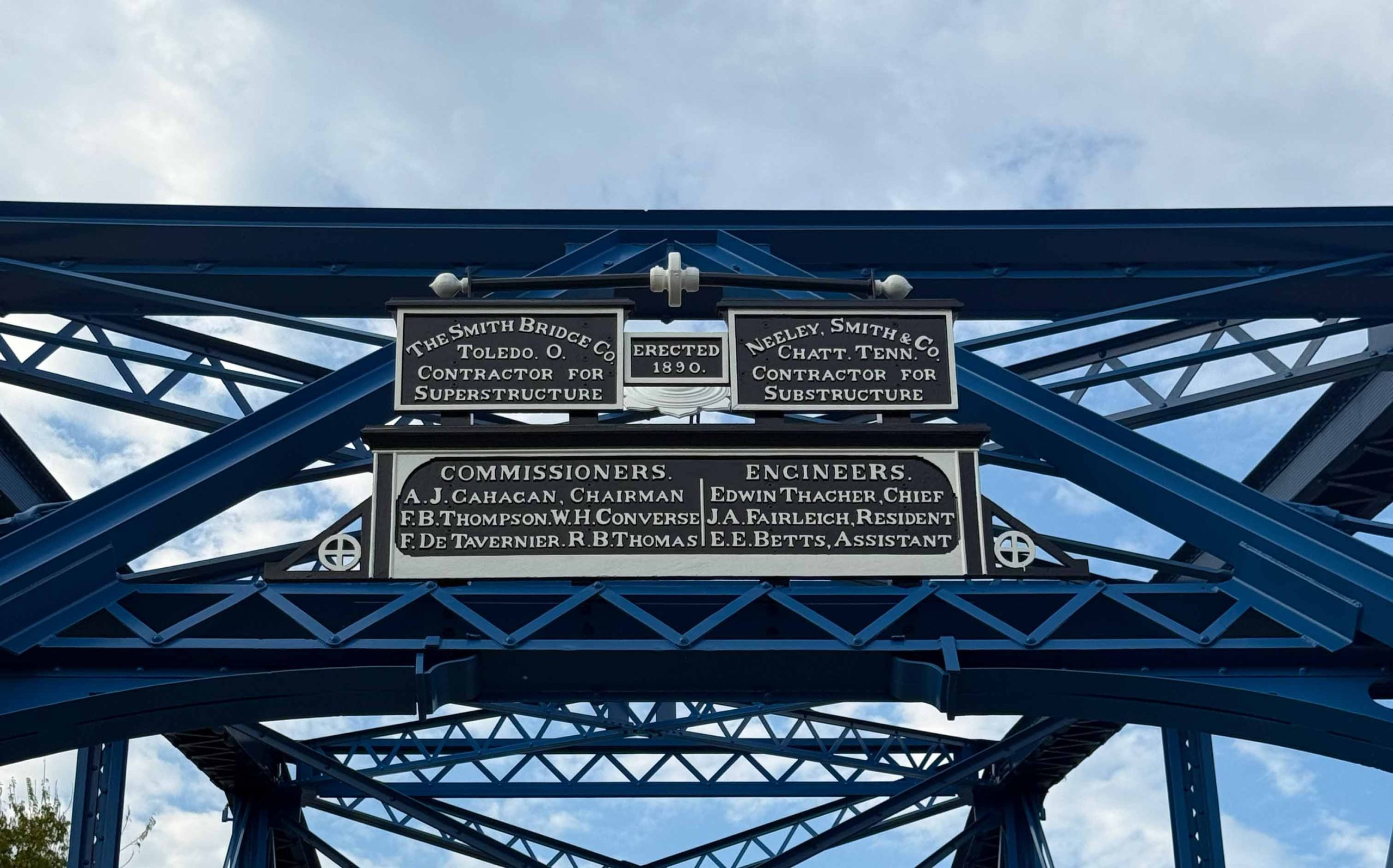
Constructed in 1890 and designed by noted bridge architect Edwin Thacher, the Walnut Street Bridge carried horse-drawn wagons and pedestrians across the river before becoming an important route for automobiles and a vital part of Chattanooga’s growth.
the Walnut Street Bridge remains one of the best ways to Explore Chattanooga.
But the bridge has also witnessed some of the city’s darkest moments. In 1893, Alfred Blount was lynched there. In 1906, Ed Johnson was taken to the bridge and lynched by a mob despite a stay of execution issued by the U.S. Supreme Court. Johnson’s death led to United States v. Shipp, a landmark case and the only criminal trial ever conducted by the Supreme Court. A memorial near the bridge honors Johnson today.
By 1978, concerns about the bridge’s structural integrity led to its closure to motor vehicle traffic. Once a vital transportation route, it sat largely unused for years, deteriorating as demolition became a possibility. Then Chattanooga chose preservation.
A determined group of citizens rallied behind the historic structure, raising more than $10 million for its rehabilitation. In 1993, the Walnut Street Bridge reopened to pedestrians, gaining a new purpose and a new place in the life of the city. Its second life became part of Chattanooga’s transformation. As downtown was revitalized and the North Shore emerged as a destination, the bridge connected not only two sides of the river, but people to the river itself.
Today, its 2,376-foot span carries runners, families, couples, friends and visitors. Festivals fill it with music and people. Boats pass below. Photographs are taken. Conversations begin. And, inevitably, someone stops in the middle just to enjoy the view. That may be the bridge’s greatest legacy: a structure built to move people across the river has become a place where people choose to slow down.
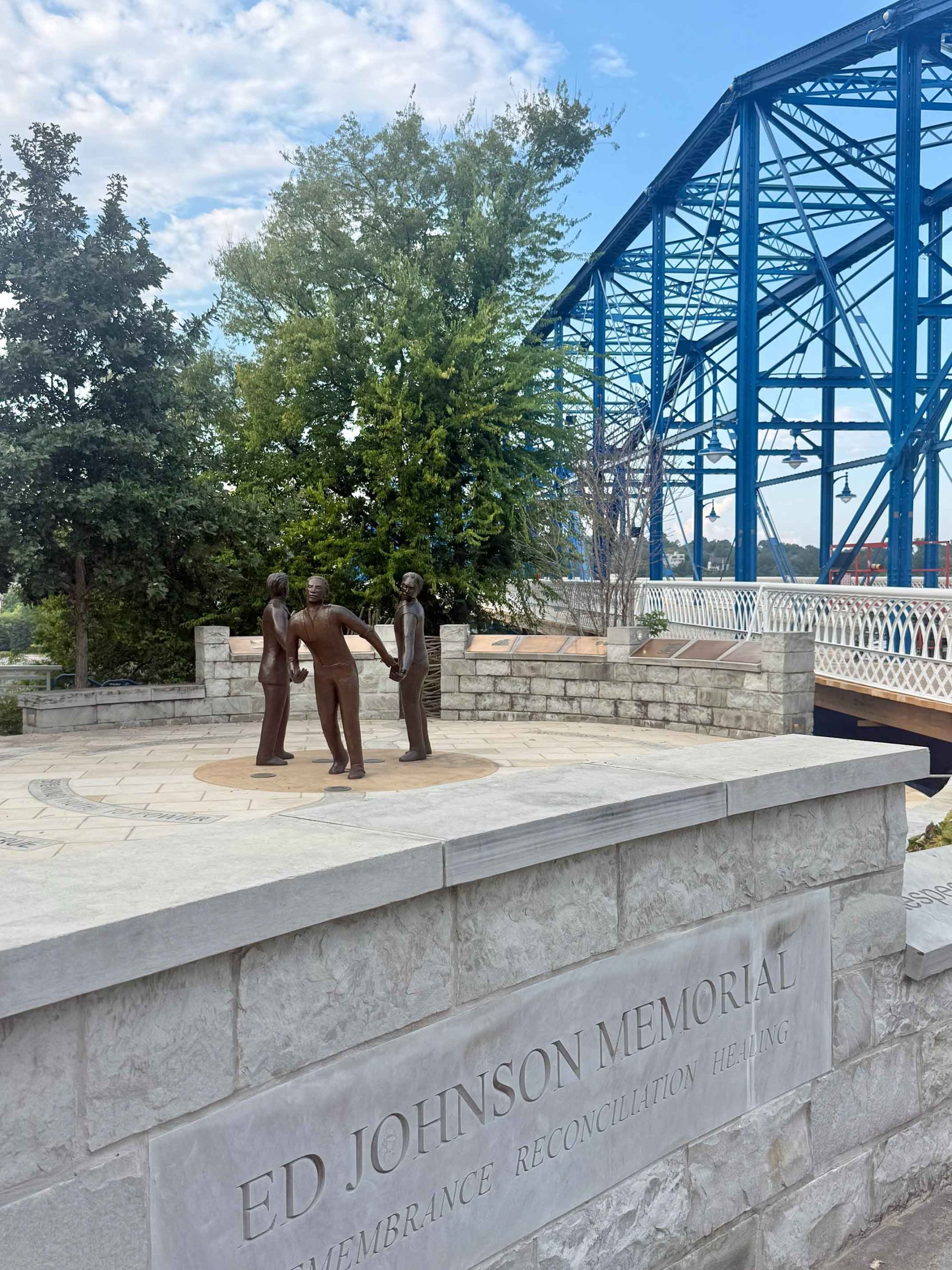
the historic Walnut Street Bridge Chattanooga, TN